English
Power cables with shielding and chemical resistance functions
Power Cable with Shielding & Chemical Resistance
Product Introduction
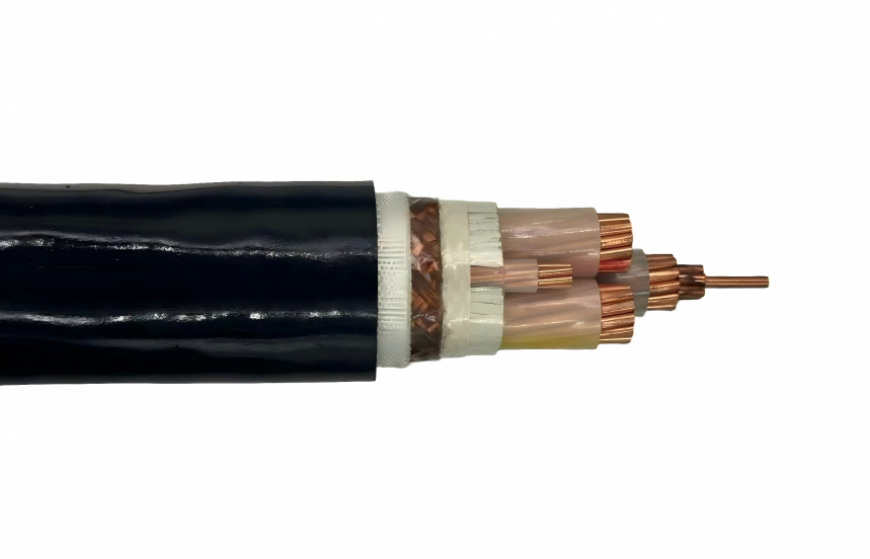
This series is special power cables integrated with electromagnetic shielding and chemical corrosion resistance, commonly rated at 0.6/1kV, manufactured in accordance with GB/T 12706 and IEC 60502 standards. Typical models cover shielded YJV22, YJV23, YJVP, YJVP22 and cables with special chemical-resistant sheaths. Upgraded from ordinary power cables, they are equipped with integrated shielding layers and special outer sheaths resistant to acid, alkali, solvent, oil and chemical media. They block external electromagnetic interference and prevent internal electromagnetic leakage to stabilize power supply and automatic control signals, and can operate continuously under harsh corrosive conditions such as chemical plants, pharmaceutical workshops and sewage treatment facilities, mainly applied to power distribution circuits in chemical, petrochemical, pharmaceutical and environmental protection industries.
Internal Structure
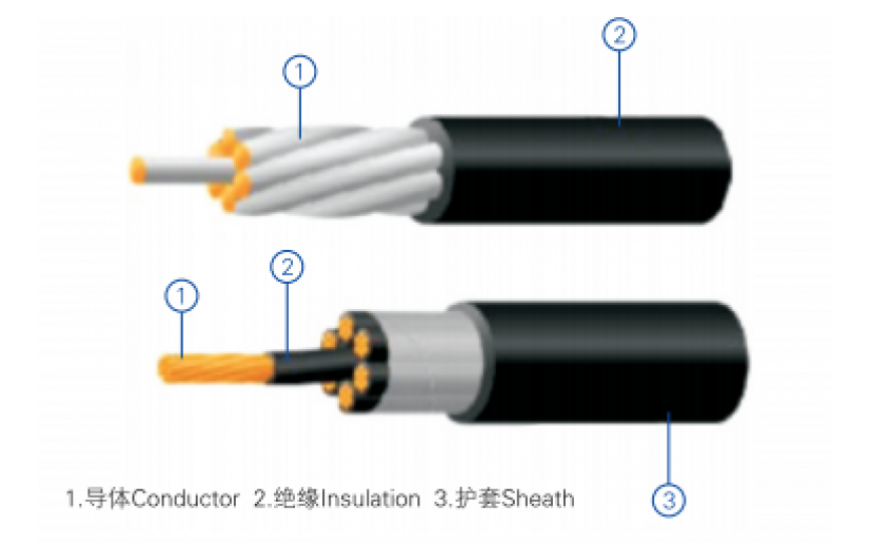
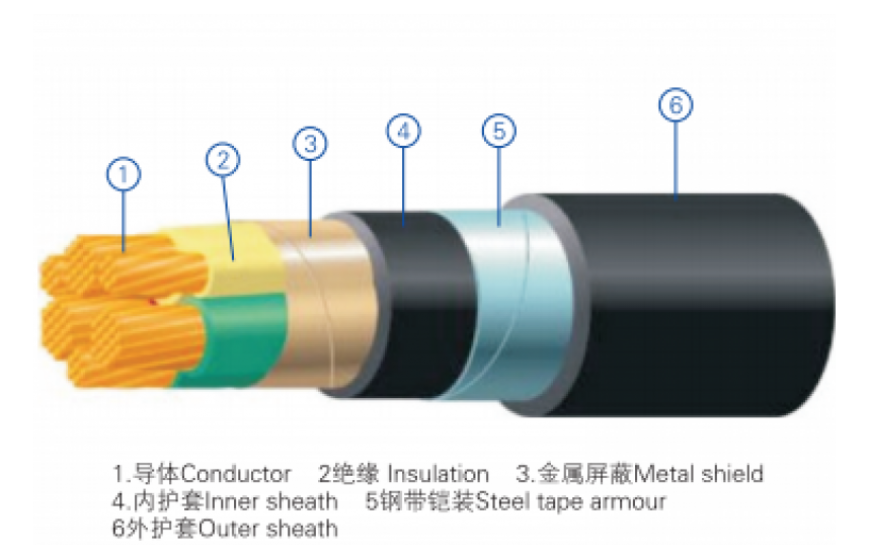
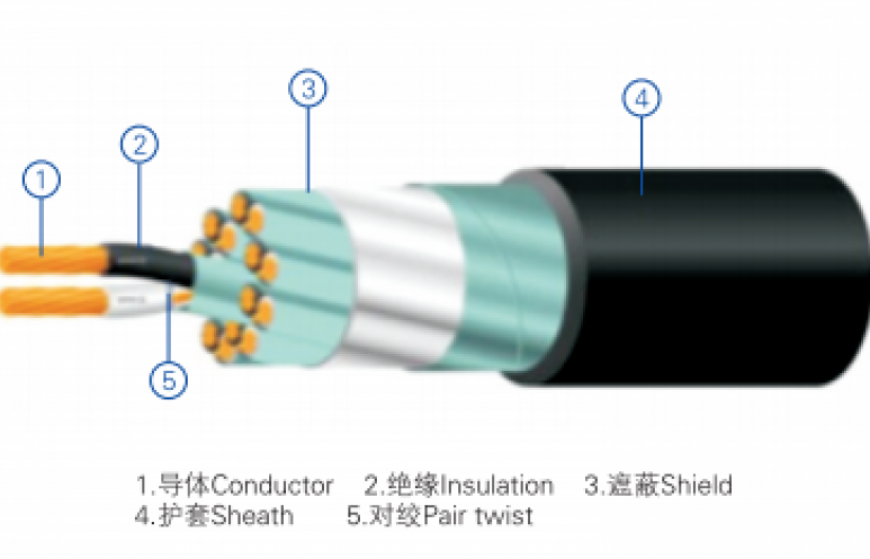
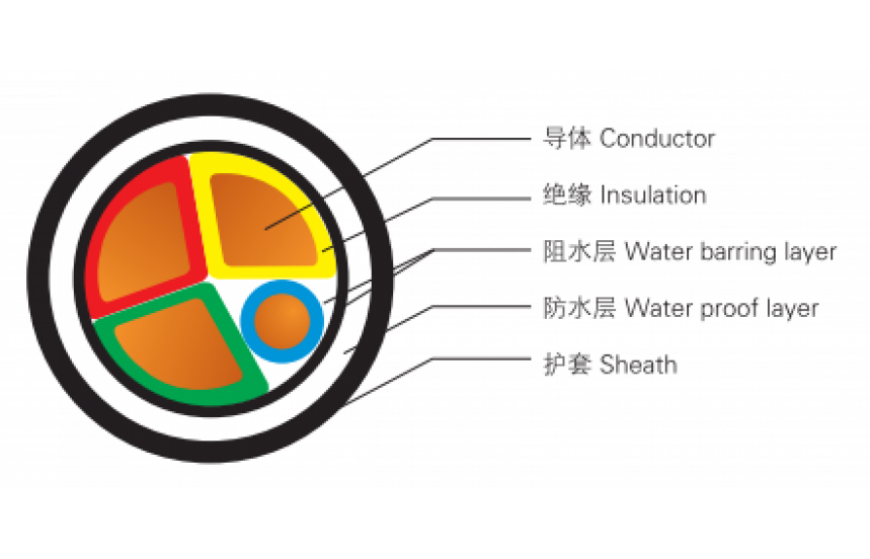
The cable adopts multi-layer sealed structure suitable for corrosive environments. The innermost compact stranded oxygen-free copper conductor delivers uniform conductivity and excellent creep resistance without overheating under long-term load. Extruded XLPE insulation features stable dielectric performance and voltage withstand capability, resisting aging caused by chemical vapor. A shielding layer is arranged outside insulation, including copper tape lapped shielding and copper wire braided shielding. Braided shielding offers superior flexibility for frequent bending occasions, while copper tape shielding provides higher shielding efficiency for intensive electromagnetic interference areas. An isolation cushion prevents the shielding metal from scratching insulation. An inner liner tightly wraps the shielding layer to block inward penetration of corrosive gas. Steel tape armour is equipped for heavy-duty conditions to withstand rolling impact and lateral erosion from soil chemicals. The outermost chemical-resistant special sheath is available in neoprene, chlorosulfonated polyethylene, modified polyethylene, polyurethane and other materials. The compact impermeable structure resists penetration of acid, alkali, salt, mineral oil, organic solvent, sewage and corrosive flue gas.
Core Performance Advantages
It achieves outstanding electromagnetic shielding performance, suppressing harmonic and electromagnetic wave interference generated by inverters and high-power equipment. It avoids disturbance to surrounding instruments, sensors and weak-current control lines, and prevents external clutter from impairing power quality, ensuring precision operation of sophisticated production equipment. It bears a wide range of chemical substances, resisting immersion and volatile erosion of inorganic acid, alkali, salt solution, industrial grease, alcohols and ketones. No swelling, cracking or pulverization occurs after long-term exposure to sewage, sludge and corrosive soil. It adapts to wide temperature ranges without embrittlement in low temperature or softening at high temperature, maintaining structural stability under drastic temperature alternation. XLPE insulation will not be eroded by chemical atmosphere, so insulation resistance remains stable permanently with qualified short-circuit resistance. Armoured versions possess fine mechanical protection against compression, impact and rodent damage for direct burial in chemical plant trenches. Moderate flexibility allows installation via cable trays, conduits and underground ditches. LSZH options are available to produce little smoke and no toxic corrosive gas during combustion, satisfying fire safety requirements for chemical premises.
Application Scenarios
It is widely used for power distribution in petrochemical refineries, fine chemical plants, fertilizer factories, pharmaceutical workshops and printing & dyeing factories; power circuits in sewage treatment plants, chemical waste liquid stations and acid-base tank areas with water and corrosion; oil-resistant power systems for oil & gas fields and lubricant processing workshops; trunk cables around inverters, large motors and intermediate frequency equipment with strong electromagnetic interference; fixed indoor wiring for chemical laboratories and reagent preparation rooms; direct burial laying in trenches filled with corrosive soil within chemical industrial parks.