English
Explosion-proof intrinsically safe cable
Intrinsically Safe Explosion-Proof Cable (IS Cable)
1. Product Introduction
Intrinsically Safe (IS) explosion-proof cables are specially designed for signal control circuits in hazardous areas with flammable gas and dust atmospheres, based on the energy-limited explosion protection principle. By strictly controlling distributed parameters such as capacitance and inductance, matched with IS safety barriers located in non-hazardous control rooms, the cable ensures electric sparks and thermal energy generated under normal operation, short-circuit or open-circuit faults are insufficient to ignite flammable mixtures. It is dedicated low-power signal wiring for explosion-proof industrial automation systems. Domestic standards: GB/T 3836.4, GB/T 3836.18; International equivalent standards: IEC 60079-11, IEC 60079-14, BS5308. Rated voltage: 300/500V, 450/750V. The outer sheath adopts light sky blue (RAL 5015) as the global exclusive identification color for IS cables, to clearly distinguish from power cables and ordinary control cables on site. Three protection grades: Ex ia, Ex ib, Ex ic, applicable to Zone 0, Zone 1 and Zone 2 hazardous areas respectively.
2. Explosion Protection Grade Classification
Ex ia (Highest Safety Level)Maintains intrinsic safety performance under normal operation + single fault + two superimposed faults. Applied to the most stringent hazardous environments: Zone 0, Zone 1, Zone 2 (underground coal mines, sealed oil & gas storage tanks).
Ex ibValid explosion protection under normal operation plus one single fault. Widely used in Zone 1, Zone 2 (chemical plants, refineries, gas filling stations).
Ex icIntrinsic safety only under normal operating conditions; limited to low-risk Zone 2 areas.
3. Model Definition & Common Types
Prefix rule: ia/ib denotes explosion grade; K=control cable; YJ=XLPE insulation; P=overall copper braided shield; VP=individual pair shield + overall shield; 22=steel tape armored for direct burial
ia-KYJVP: IS cable with pair & overall shield, standard for Zone 0 high-risk areas
ib-KYJVP: General IS signal cable for chemical & petroleum refineries, most widely adopted
ia-KYJVP2-22: Shielded + steel tape armored type, for underground direct burial, compression and rodent-proof hazardous environments
WDZ-ia-KYJVP: LSZH flame retardant type, for enclosed explosion-proof workshops and tunnel fire safety zones Standard conductor cross-section: 0.2~2.5mm²; core numbers: 2~37 cores; all cores are constructed in twisted-pair layout.
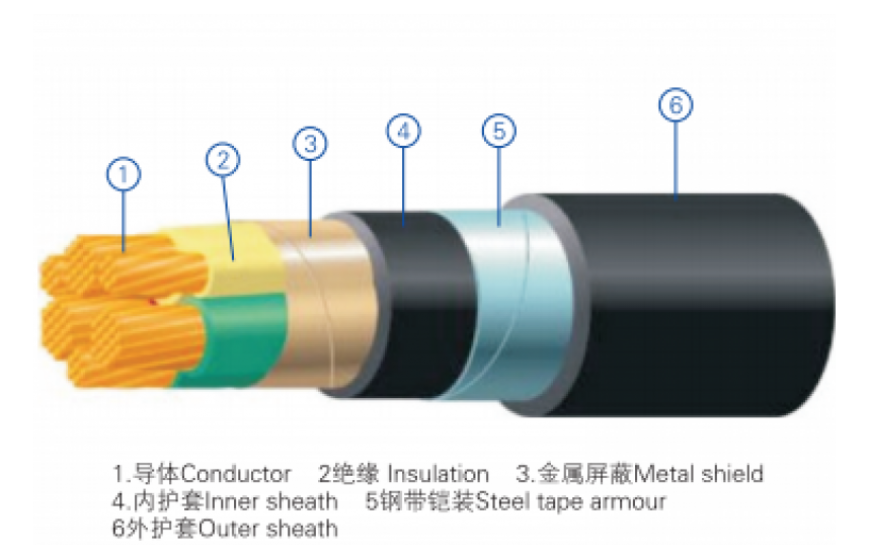
4. Internal Structure (Inner to Outer)
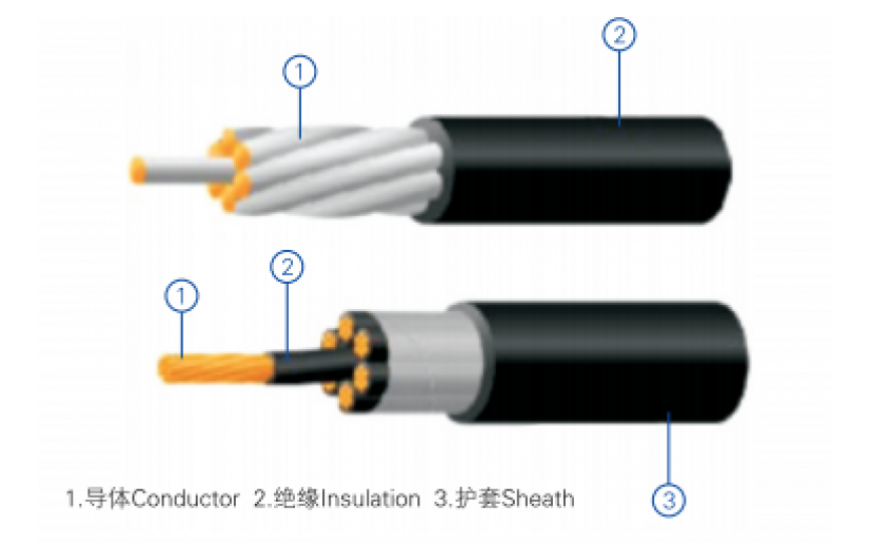
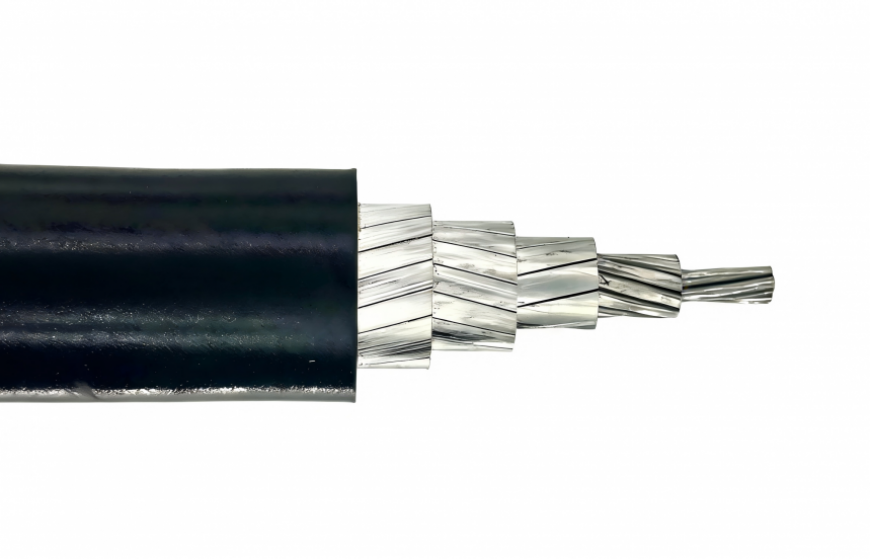
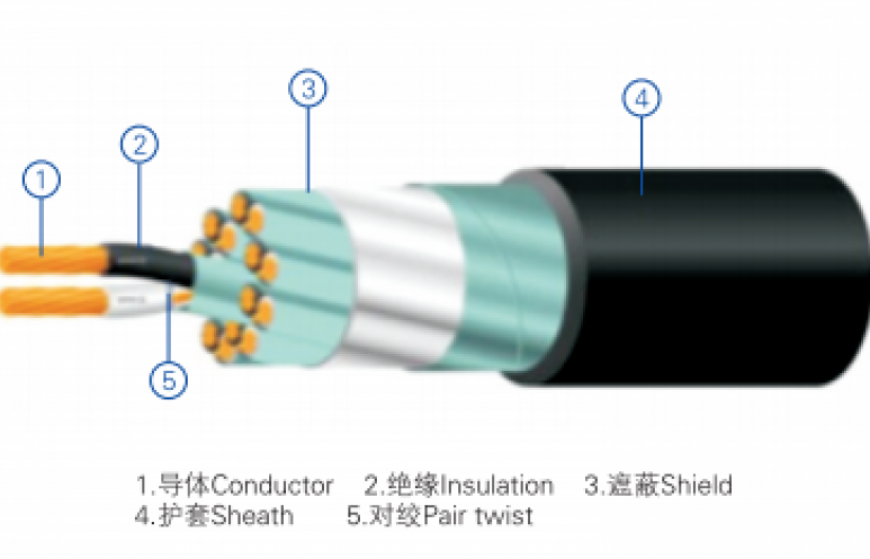
ConductorClass 5 stranded tinned oxygen-free copper, flexible, vibration-resistant and corrosion-resistant. Low resistance reduces thermal loss and strictly limits stored energy within the circuit.
Insulation Layer (Core IS Design)Low-dielectric PE/XLPE material with fixed electrical limits: core-to-core capacitance ≤150nF/km, core-to-shield capacitance ≤250nF/km, inductance ≤0.8mH/km. Ultra-low distributed capacitance and inductance prevent excessive energy storage and spark discharge, which is the essential difference from ordinary computer cables.
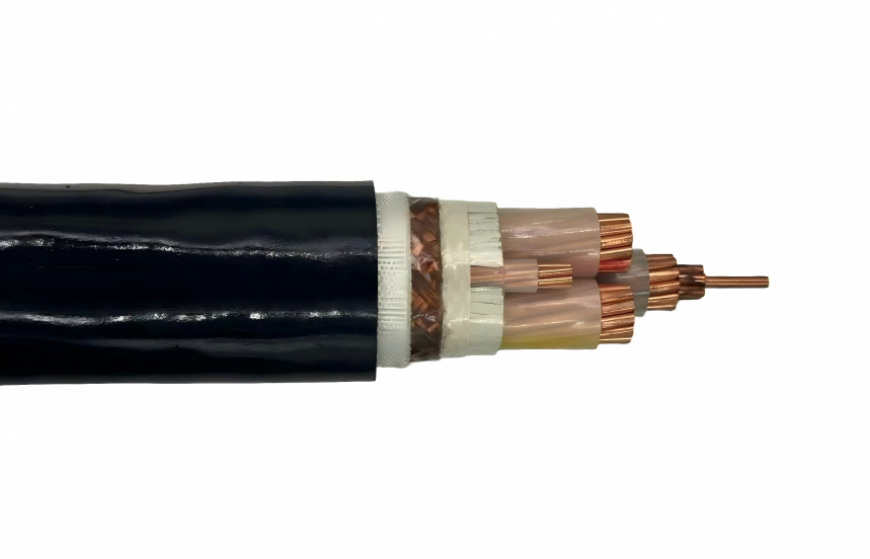
Twisted Pair Unit & Double-Layer ShieldingTwo insulated cores are twisted together at fixed pitch to counteract electromagnetic crosstalk. Inner layer: independent aluminum foil shield for each pair to eliminate intra-cable interference; outer layer: tinned copper braided overall shield (coverage ≥85%) to block external EMI from inverters and large motors. A drain wire is equipped as standard; the shield shall be grounded only once in the non-hazardous control room to avoid loop stray energy entering hazardous zones.
Inner SheathPVC / LSZH polyolefin buffer layer, separating shielding and armor structures.
Steel Tape Armor (Optional)Double-layer steel tape wrapping, featuring compression resistance, impact resistance and rodent-proof performance, suitable for cable trench and underground burial laying.
Outer SheathStandard light blue flame-retardant polyolefin sheath; TPU / neoprene rubber for corrosive environments; LSZH material for enclosed fire-proof spaces, with excellent resistance to oil, acid, alkali, salt mist and UV aging.
5. Key Technical Parameters
Rated voltage: 300/500V, 450/750V
Continuous operating temperature: 70℃ (PVC insulation); 90℃ (XLPE insulation); low-temperature resistance: -40℃
Bending radius: non-armored ≥6 times cable outer diameter; armored ≥12 times outer diameter
Electrical limits: core-to-core capacitance ≤150nF/km, inductance ≤0.8mH/km
Power frequency withstand voltage: no insulation breakdown after 5 minutes at 3kV
Installation requirement: Strictly prohibited to lay together with power cables in the same conduit/tray; single-point grounding only in control room, grounding resistance ≤4Ω
6. Core Performance Advantages
Intrinsically safe explosion prevention without ignition risk Precise control of low capacitance and inductance limits circuit energy storage fundamentally. No heavy explosion-proof enclosure is required; no ignition sparks will be released under fault conditions, with higher safety than flameproof cables.
Superior anti-interference for stable weak signal transmission Double-layer shielding system filters frequency conversion harmonics and radio frequency interference efficiently, ensuring no drift for 4-20mA analog signals, temperature and pressure data, and stable measurement accuracy for DCS distributed control systems.
Wide environmental adaptability Resistant to oil, cutting fluid, acid, alkali, coastal salt fog and outdoor UV aging; flexible and shockproof, applicable to vibrating production lines and underground mining conditions.
Reliable fire safety LSZH version generates minimal smoke and no toxic halogen acid gas during combustion, facilitating personnel evacuation in enclosed explosion-proof spaces.
Unified identification for convenient construction & maintenance Globally standardized light blue sheath enables quick distinction between IS circuits and ordinary power lines on site, avoiding safety hazards caused by wrong connection.
7. Application Scenarios
Oil & Gas Industry: Signal wiring for pressure, flow and level transmitters at oil wellheads, offshore platforms, refineries and oil & gas storage tanks (Zone 0/1);
Chemical & Pharmaceutical: Automatic control loops for pH sensors and solenoid valves in fine chemical and pharmaceutical workshops with flammable solvents such as ethanol;
Coal Mining: IS wiring for underground methane detectors and ventilation monitoring (Ex ia I grade);
Gas Sector: Remote monitoring systems for gas stations and urban natural gas pipeline networks;
Other Fields: Paint workshops, grain dust explosion-proof plants, explosion-proof ventilation and fire control circuits in tunnels.