English
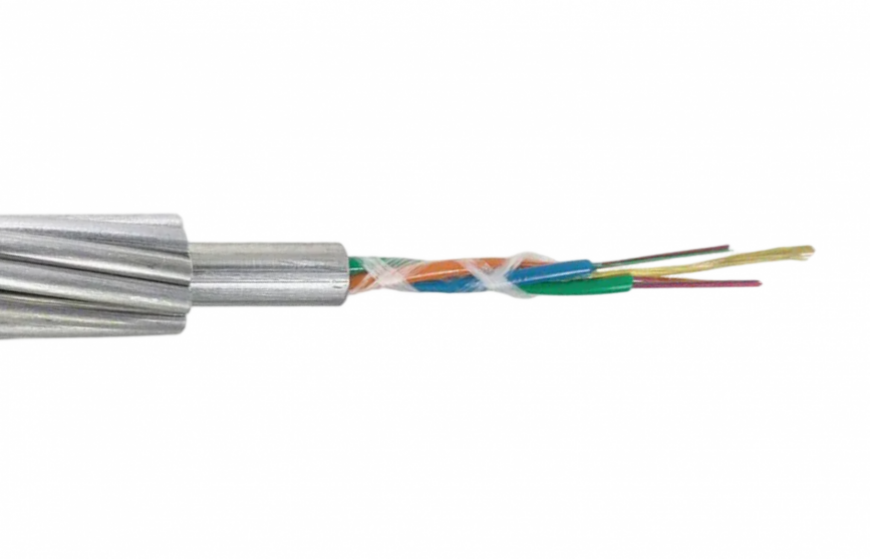
Overhead conductors for transmission and transformation power grids
Overhead Transmission & Distribution Line Conductors
1. Product Introduction
Overhead bare stranded conductors are core components of power transmission, transformation and distribution grids. They utilize ambient air as insulation medium, suspended between transmission towers and utility poles, dedicated to long-distance bulk power delivery ranging from 3kV up to 1000kV UHV systems. Domestic manufacturing complies with GB/T 1179-2017 (Concentric Lay Stranded Round Wire Overhead Electrical Conductors), identically adopted from international standard IEC 61089. The standard concentric stranding structure features outer aluminum strands for electrical conduction and inner core for mechanical tensile load bearing, striking balanced performance in conductivity, tensile strength, sag control, wind & ice load resistance and overall economic efficiency. Widely deployed for national UHV trunk corridors, regional power grids, urban & rural distribution networks, wind power outgoing lines and other power infrastructure projectsChinese St....
2. Model Coding Rules & Main Product Types
Code Definition
J = Stranded construction; L = Aluminum wire; G = Galvanized steel core; 1/2/3 = Steel wire strength grade (G1A: standard strength, G2A: high strength, G3A: extra-high strength); A: Class A galvanized anti-corrosion; F: Anti-corrosion type; HA: Aluminum alloy material
International Common Abbreviations
ACSR = Aluminum Conductor Steel Reinforced AAC = All Aluminum Conductor AAAC = All Aluminum Alloy Conductor ACAR = Aluminum Conductor Aluminum-Clad Steel Reinforced
Main Categories & Application Scenarios
JL/G1A (ACSR) — Most widely used globallyCentral galvanized steel core bears total tensile stress; outer layers of EC-grade aluminum strands deliver electricity transmission. It boasts optimal cost-performance ratio, balanced tensile strength and ampacity. Suitable for most conventional transmission lines from 11kV to 750kV, deployed on plains and hilly areas to withstand moderate ice and wind loads.
JL (AAC / All Aluminum Conductor)Pure hard-drawn aluminum strands without steel core; lightest weight, maximum conductivity and low cost. Limited tensile capacity leads to large sag, only applicable for short-span low-voltage urban distribution lines.
JLHA (AAAC / All Aluminum Alloy Conductor)Integrated Al-Mg-Si alloy stranded conductor with no steel core. Superior corrosion resistance eliminates galvanic corrosion between steel and aluminum; ideal for coastal salt-fog zones and industrial corrosive environments, the preferred anti-corrosion option for medium-voltage transmission lines.
JL/G1AF (Anti-corrosion ACSR)Anti-rust grease coated on steel core plus inner isolation layer, preventing moisture ingress and steel core oxidation. Designed for riverside, coastal and high-humidity severely corrosive regions.
Carbon Fiber Composite Core Conductor (JLRX / TACIR)Carbon fiber composite core replaces traditional steel core; lighter weight, excellent high-temperature resistance, minimal thermal sag, ampacity increased by over 30%. Applied for capacity upgrading of aged lines, long-span river crossings and heavy-load UHV trunk corridors.
Available cross-section range: 16mm² ~ 1250mm²; typical specifications: JL/G1A-250/30, JL/G1A-400/50, JL/G1A-630/80 (standard for EHV trunk lines).
3. Internal Concentric Stranded Structure (From Inner to Outer)
Central Load-bearing CoreStandard version: 1 or 7-strand galvanized steel strand (G1A/G2A), undertaking overall tension and controlling line sag; Anti-corrosion version: Aluminum-clad steel or grease-coated steel core; Capacity-upgrade version: Carbon fiber composite core.
Conductive Aluminum LayersMultiple layers of 1350 hard-drawn aluminum wire helically stranded concentrically around the steel core. Aluminum undertakes power transmission; multi-layer stranding relieves mechanical stress, enhances flexibility and prevents fatigue cracking induced by aeolian vibration.
Interlayer Isolation (Exclusive for Anti-corrosion Type)Anti-rust grease or polyester tape filled between steel and aluminum layers to block moisture and salt, avoiding galvanic corrosion caused by potential difference between steel and aluminum.
4. Key Technical Parameters
Applicable voltage classes: 10kV, 35kV, 110kV, 220kV, 500kV, 750kV, 1000kV UHV
Continuous operating temperature: 70℃ for conventional ACSR; 150~210℃ for high-temperature alloy & carbon fiber conductors
Core electrical indicators (20℃ DC): DC resistance, AC ampacity; larger cross-section equals lower resistance and higher power transmission capacity
Mechanical properties: Rated breaking tensile force, elastic modulus, linear expansion coefficient (determines thermal sag under high temperature)
Environmental endurance: Wind load resistance, ice coating tolerance, UV outdoor aging resistance, salt spray corrosion resistance
5. Core Performance Advantages
Perfect balance between electrical conductivity and mechanical strength Aluminum features excellent conductivity and light dead weight; steel core compensates insufficient tensile capacity, enabling long-span erection, drastically reducing the quantity of transmission towers and cutting infrastructure investment.
Wide environmental adaptability Standard type fits inland plains and mountainous areas; anti-corrosion variant serves coastal & riverside corrosive zones; high-temperature composite conductors resolve bottlenecks of power grid capacity expansion.
Stable operation & low maintenance Air insulation for bare wires avoids sheath cracking and aging risks; low fault frequency minimizes routine grid inspection and maintenance workload.
Adjustable transmission capacity Large-cross-section and high-temperature conductors significantly boost power delivery capacity, catering to large-scale grid integration of wind and photovoltaic renewable energy.
6. Application Scenarios
UHV/EHV backbone grids: 500kV, 750kV, 1000kV national trunk power transmission corridors;
Regional high-voltage transmission: 110kV, 220kV inter-provincial & urban interconnection lines;
Urban & rural medium/low-voltage distribution networks: 10kV, 35kV overhead power distribution lines for towns and cities;
Special working conditions: long-span river crossings, coastal salt-fog regions, heavy industrial corrosive zones, wind & photovoltaic outgoing lines, capacity renovation of aging power grids.