English
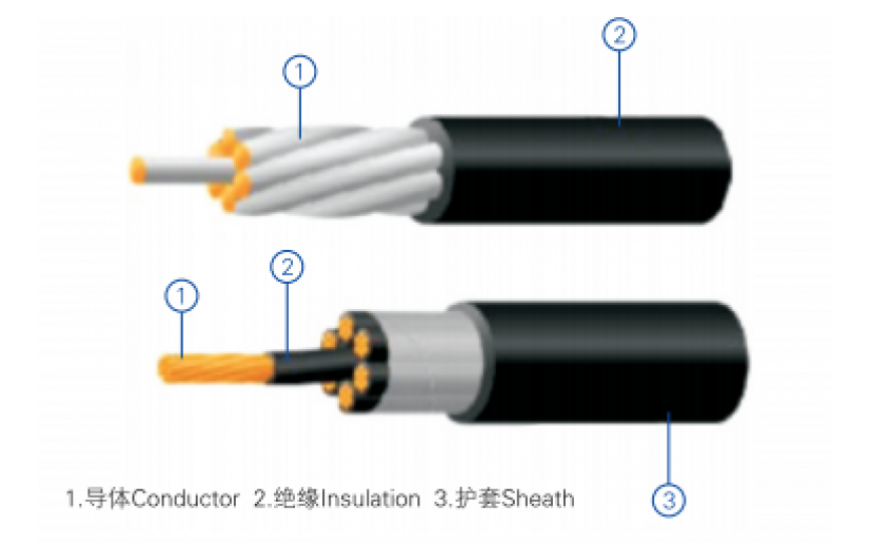
Irradiated cross-linked polyolefin insulated wire
Radiation Cross-Linked Polyolefin Insulated Wires
1. Product Introduction
Radiation cross-linked polyolefin insulated wires (abbreviated as irradiated wires, marked with "(F)" to indicate radiation cross-linking) adopt high-energy electron beam irradiation technology, which converts linear polyolefin macromolecules into a three-dimensional network thermosetting structure, different from conventional chemically cross-linked wires and thermoplastic PVC wires. Common rated voltages: 300/500V, 450/750V, 0.6/1kV. It complies with Chinese national standards JB/T 10491, JG/T 441, GB/T 5023, and meets international specifications of IEC, UL and RoHS. Widely applied in building wiring, rail transit, new energy vehicles, photovoltaic & energy storage, industrial automation equipment, ships and aerospace fields. Key features: halogen-free & low smoke, high temperature resistance, large current-carrying capacity, excellent bending & aging resistance, flame retardant and eco-friendly. It produces non-toxic smoke during fire hazards, serving as the preferred wiring cable for high-rise buildings, enclosed spaces and high-temperature working conditions.
2. Model Definition & Common Types
Code Explanation
(F) = Radiation cross-linking process; BYJ = solid conductor building wire; BYJR = flexible conductor building wire; WDZ = halogen-free low-smoke flame retardant; WDZN = halogen-free low-smoke fire-resistant; numbers stand for continuous temperature rating (105℃/125℃/150℃)
Main Models
WDZ-BYJ(F): Halogen-free low-smoke solid wire for fixed building installation, continuous temperature 105℃/125℃
WDZ-BYJ(F)R: Flexible irradiated wire for cabinet wiring and bending occasions
WDZ-GYJS(F): Double-layer co-extruded long-service wire with 70-year lifespan, rated 125℃
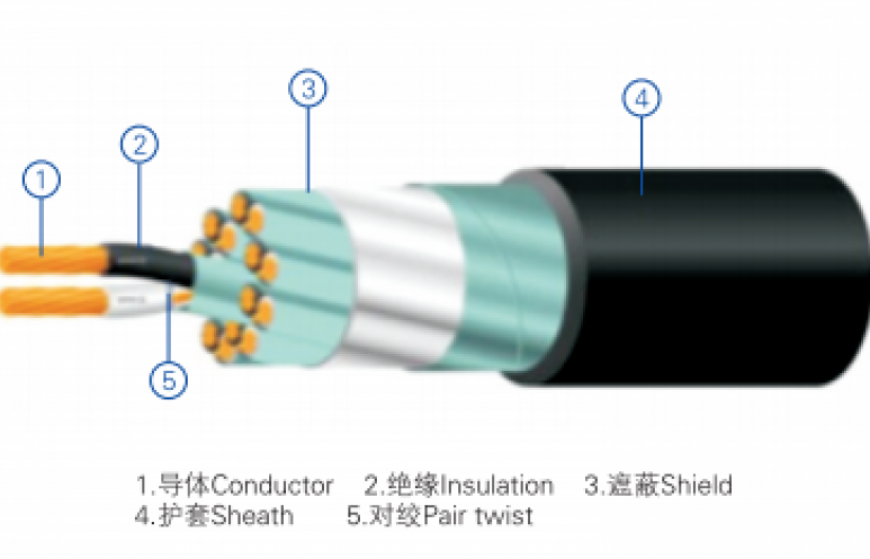
KYJ(F)VP: Shielded irradiated control cable for industrial automation signal circuits
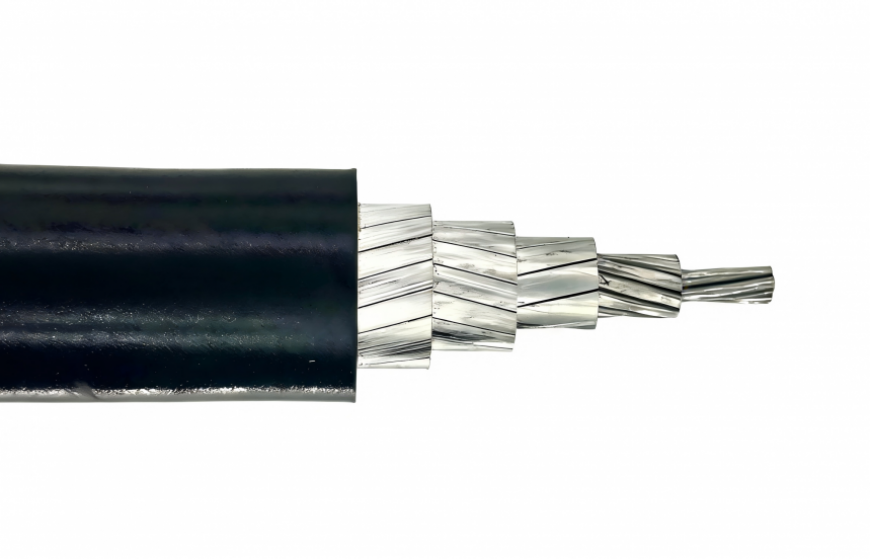
JK(F)LYJ: Irradiated overhead insulated cable for outdoor low-voltage power distribution Available cross-sections: 0.5mm² ~ 240mm²; temperature grades: 90℃, 105℃, 125℃, 150℃.
3. Internal Structure (Inner to Outer)
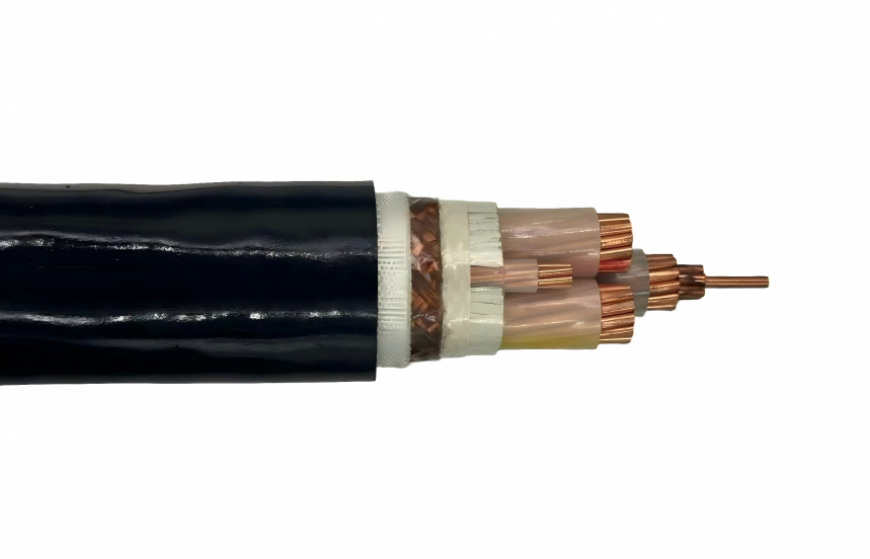
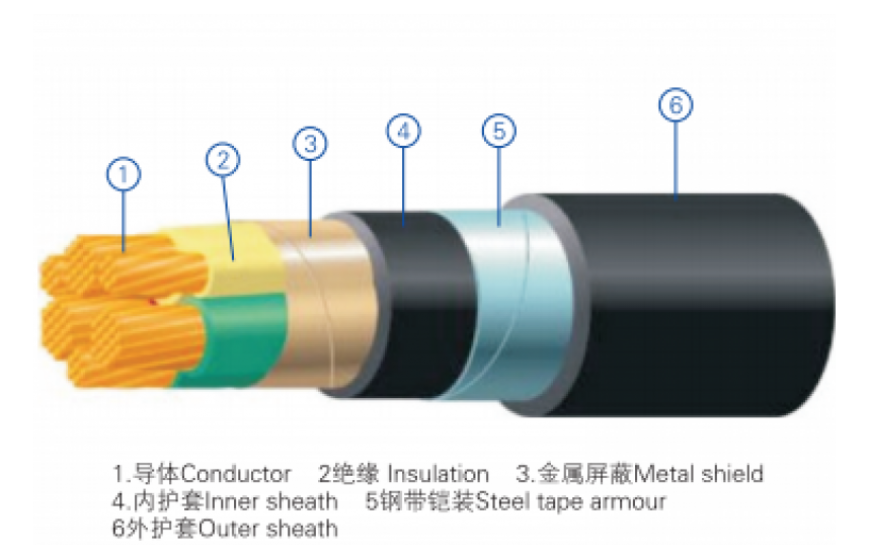
Copper ConductorFixed installation: Class 1 solid / Class 2 compact stranded oxygen-free copper with stable resistance and excellent conductivity; Frequent bending scenarios: Class 5 fine stranded flexible copper with superb flexibility and fatigue resistance.
Radiation Cross-Linked Polyolefin Insulation (Core Layer)Polyethylene substrate is cross-linked via high-energy electron beam irradiation to form a stable 3D network molecular structure. It will not melt or flow under high temperature, featuring outstanding insulation, UV resistance, oil resistance and acid & alkali resistance. Premium versions adopt double-layer co-extruded insulation with enhanced waterproof, water-blocking and crack resistance performance.
Outer Sheath (Optional)Standard halogen-free polyolefin sheath; aluminum foil/copper braided shield added for strong electromagnetic interference environments; steel tape armor available for direct underground burial.
4. Key Technical Parameters
Rated voltage: 300/500V, 450/750V, 0.6/1kV
Continuous operating temperature: 90℃/105℃/125℃/150℃; maximum short-circuit withstand temperature: 250℃
Minimum laying ambient temperature: ≥0℃; low-temperature resistance down to -40℃
Bending radius: Non-armored ≥6 times cable outer diameter; shielded/armored ≥12 times outer diameter
Electrical performance: Ultra-high insulation resistivity, low dielectric loss, passed power frequency voltage withstand test; halogen-free low-smoke, low smoke density without halogen acid toxic gas during combustion
Service life: Up to 70 years under 80℃ ambient temperature, far longer than 15-20 years of traditional PVC cables.
5. Core Performance Advantages
Superior heat resistance & larger current carrying capacity Compared with ordinary PVC wires (max continuous 70℃), its temperature resistance rises over 50%, current-carrying capacity increases by 15%~50% under identical cross-section. It avoids overheating aging for densely laid cable trays and delivers stronger overload tolerance.
High fire safety grade: halogen-free low smoke & flame retardant Thin smoke emission without toxic corrosive hydrogen chloride gas during fire, facilitating personnel evacuation and fire rescue, ideal for subways, tunnels, hospitals, shopping malls and other crowded enclosed spaces.
Exceptional physical stability The cross-linked network structure prevents melting and dripping under high temperature, with excellent creep resistance, abrasion resistance and repeated bending endurance. It resists engine oil, cutting fluid, salt spray and outdoor UV aging, operating steadily in mountainous, coastal and high-temperature workshops.
Stable electrical properties High insulation resistance and uniform capacitance ensure distortion-free signal transmission and strong anti-interference for frequency conversion and automatic control loops; ultra-low water absorption avoids insulation degradation in humid environments.
Extra-long service cycle Stable molecular structure leads to extremely slow thermal aging speed, matching the service life of building main structures and drastically reducing later circuit renovation costs.
6. Application Scenarios
Civil construction: Power distribution wiring for high-rise residences, shopping malls, hospitals and airports;
Rail transit: Internal cables for subways & high-speed trains, ventilation and fire control lines in tunnels;
New energy industry: On-board wiring for new energy vehicles, photovoltaic DC cables, internal wiring for energy storage cabinets;
Industrial automation: Robot cables, control wires around inverters, instrument signal circuits;
Special environments: Ships, offshore platforms, nuclear power stations, outdoor low-voltage overhead lines.