English
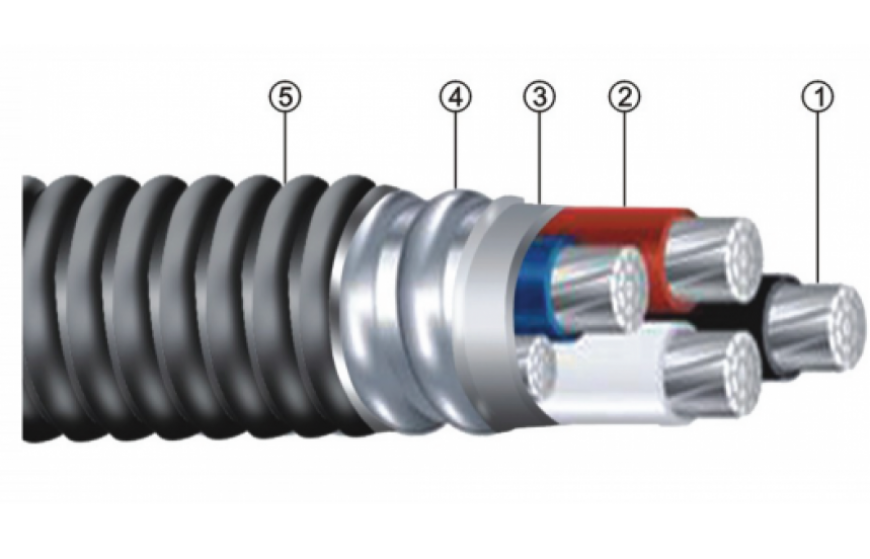
0.6/1kV aluminum alloy power cable for distribution use, WDZB-MELHSY/YJLHVS3(-40), MELHSYYJLHVS3
Brief Introduction: 0.6/1kV WDZB-MELHSY / YJLHVS3(-40) & MELHSY / YJLHYS3 Low Smoke Zero Halogen B1 Grade Flame Retardant Aluminum Alloy Interlocking Armored Power Cable
1. Official Name & Standards
Full name: 0.6/1kV Low Smoke Zero Halogen Class B1 Flame Retardant Rare Earth High-Speed Aluminum Alloy Conductor XLPE Insulated Aluminum Interlocking Armored Low-Temperature Resistant PE Sheath Power Cable (-40℃ Cold Resistant Type) Commercial model: MELHSY; National standard model: YJLHVS3(-40), YJLHYS3 Compliance: GB/T 31840.1-2015, GB 31247-2014 (Class B1 flame retardant), IEC 60502, equivalent to North American ACWU90(-40) interlocking armored cold-resistant cable standard
2. Model Code Explanation
WDZB: Low smoke zero halogen, Class B1 high-grade flame retardant
MELH: Enterprise code for AA8030 rare earth high-speed aluminum alloy conductor
YJ: XLPE cross-linked polyethylene insulation
S: Aluminum interlocking armor
V: PVC sheath; Y: HDPE cold-resistant polyethylene sheath
No.3: Weather-proof & cold-resistant polyethylene outer sheath
(-40): Special cold resistance mark, minimum operating & laying temperature down to -40℃
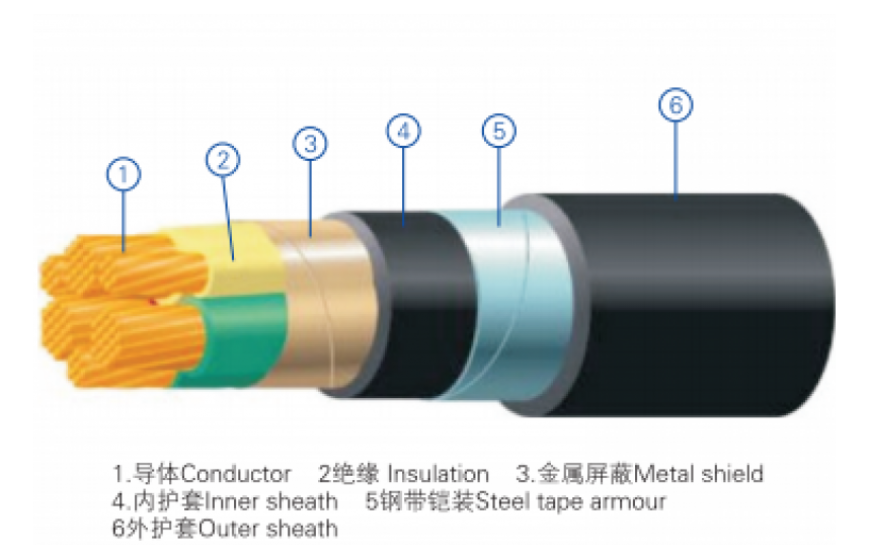
3. Internal Structure (From Inner to Outer)
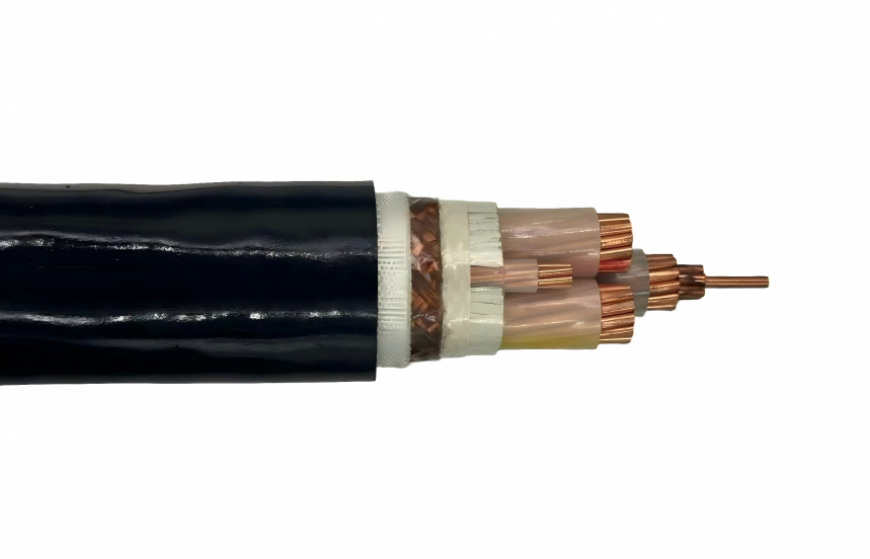
Compact Stranded Rare Earth Aluminum Alloy ConductorClass 2 stranded AA8030 aluminum alloy eliminates creep, terminal loosening and overheating defects of pure aluminum. To achieve equal current capacity, its cross-section is 1.5 times copper cable while weight is only 50% of copper counterpart, featuring superior flexibility and stable connection under temperature cycles.
LSZH XLPE InsulationHalogen-free cross-linked polyethylene, continuous operating temperature 90℃, short-circuit withstand temperature 250℃ (≤5s); low water absorption & water-tree resistance, ideal for damp frozen soil, no toxic gas emission during combustion.
Flame-retardant LSZH Filler & Wrapping LayerDense eco-friendly filling ensures cable roundness, relieves mechanical stress and blocks longitudinal moisture penetration, meeting thermal insulation requirements for Class B1 fire performance.
Aluminum Interlocking Armour (Core Feature)Wave-shaped interlocked 5000-series aluminum tape: Ultra-flexible with bending radius only 7~10×cable OD, allows 360° bending and reduces elbow fittings; integrates compression resistance, impact resistance, rodent protection and electromagnetic shielding; lighter than steel tape armour, enables installation without steel conduit or cable tray in partial scenarios to cut auxiliary costs; sealed gaps provide basic waterproof performance.
-40℃ Low-Temperature Resistant HDPE Outer SheathModified high-density polyethylene resists low-temperature embrittlement, UV radiation, saline-alkali soil corrosion and water penetration; designed for outdoor exposure and direct burial in frozen soil frigid zones.
4. Core Performance Advantages
Class B1 Top Flame Retardancy & LSZH Eco SafetyPasses rigorous GB 31247 Class B1 fire tests: limited flame spread, low total heat release, smoke transmittance ≥60%. No toxic hydrogen halide gas or combustible molten drips during combustion, ensuring evacuation visibility and protecting steel structures & precision equipment for fire circuits in cold regions.
Extreme Cold Resistance (-40℃ Year-Round Operation)Customized cold-resistant insulation & sheath avoid cracking or hardening at -40℃, supporting all-weather construction in Northeast, Northwest China with long harsh winters; ordinary cables are prohibited from laying below 0℃.
Flexible Interlocking Armour, High Construction Efficiency & Lower Total CostLighter and more bendable than steel tape armored YJLHV22, greatly accelerating vertical shaft and curved wiring; steel pipe & bracket consumption is drastically reduced. Raw material cost is 30%~45% lower than copper cables, delivering outstanding economy for long-distance park & suburban power distribution.
Anti-Creep & Superior Corrosion Resistance, Extended Service LifeRare earth formula prevents terminal overheating; aluminum conductor + double PE sheath withstand saline-alkali soil, salt fog and frozen soil erosion; non-aging inorganic flame retardant system guarantees over 30 years service life, especially suitable for coastal & saline frozen areas.
Stable Electrical Performance & Controllable Voltage DropLow skin effect minimizes voltage drop for long-distance low-voltage trunk lines, applicable to large-area distribution for industrial parks and towns; no rust risk enables stable operation in damp trenches and overhead outdoor routes.
Integrated Comprehensive ProtectionCombines compression resistance, impact resistance, rodent proof, moisture-proof, waterproof and anti-electromagnetic interference; supports direct burial, tunnel laying, overhead installation and conduit routing.
5. Main Technical Parameters
Rated Voltage: 0.6/1kV
Max Continuous Conductor Temperature: 90℃
Short-Circuit Withstand Temperature: 250℃ (≤5s)
Minimum Laying & Ambient Temperature: -40℃
Bending Radius: ≥7×outer diameter
Core Configurations: 3-core, 3+1, 3+2, 4-core, 4+1, 5-core
Cross-section Range: 10~400mm²
6. Application Scenarios
Low-voltage main power distribution for residential & commercial complexes in frigid Northeast, Inner Mongolia and Northwest China
Power supply for cold industrial plants, open-air workshops and underground drainage zones of coal mines
On-site low-voltage collection lines for wind power & photovoltaic energy storage stations in northern cold regions
Rural power grid renovation and road lighting trunk lines in frozen soil suburban areas
Fire emergency power circuits for hospitals, schools, stadiums and metro stations in cold climates
Saline frozen soil, northern coastal ports, damp low-temperature sections of underground utility tunnels