English
Cables for Conductive Charging Systems of New Energy Electric Vehicles
Cables for Conductive Charging Systems of New Energy Electric Vehicles
Product Introduction
Electric vehicle conductive charging cables are dedicated connecting wires between charging piles and new energy vehicles, divided into AC slow charging cables and high-power DC fast charging cables. The rated voltage is commonly AC 450/750V and DC 1500V, manufactured in strict accordance with national standard GB/T 33594, and compliant with international specifications including IEC 62893, EN 50620 and TÜV standards. The cable integrates power transmission cores, grounding cores and communication control signal cores in one assembly. Developed for harsh working conditions such as repeated winding and towing, vehicle rolling, outdoor exposure, drastic temperature fluctuation, oil contamination and frequent plugging & bending, it adopts ultra-flexible Class 6 finely stranded tinned soft copper conductors matched with special TPE elastomer insulation and sheath. It integrates large-current load capacity, mechanical compression resistance, weather aging resistance, oil & chemical corrosion resistance, LSZH flame retardancy and electromagnetic compatibility. It serves as the key supporting cable for charging systems in residential communities, public charging stations, highway service areas and parking lots. Liquid-cooled high-power fast charging variants carry ultra-large current to drastically shorten charging duration.
Internal Structure
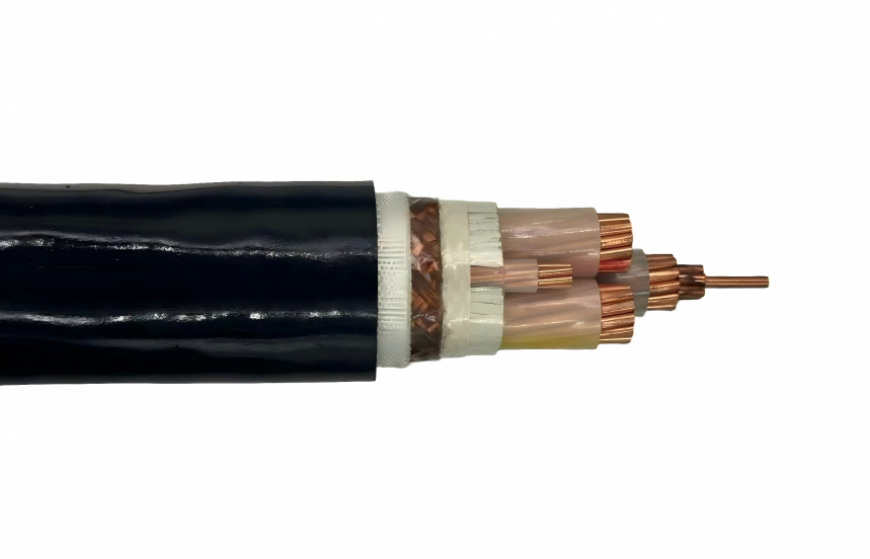
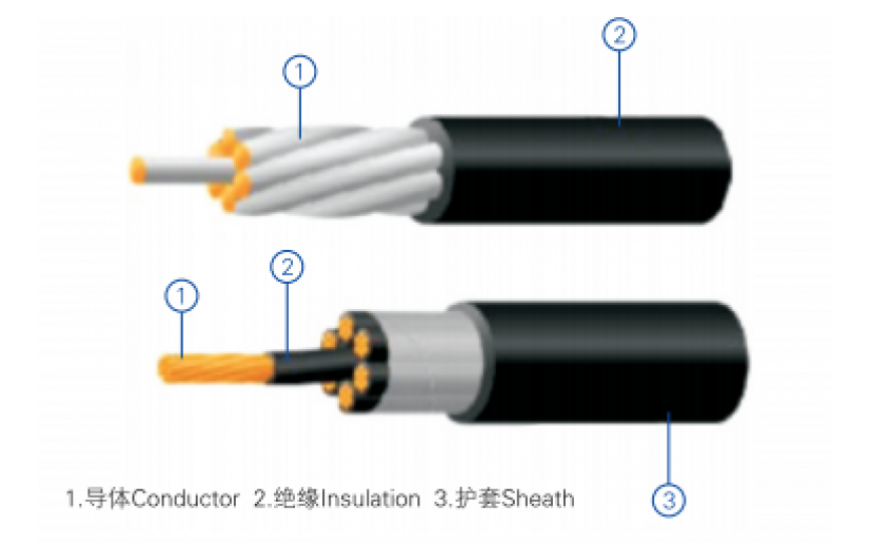
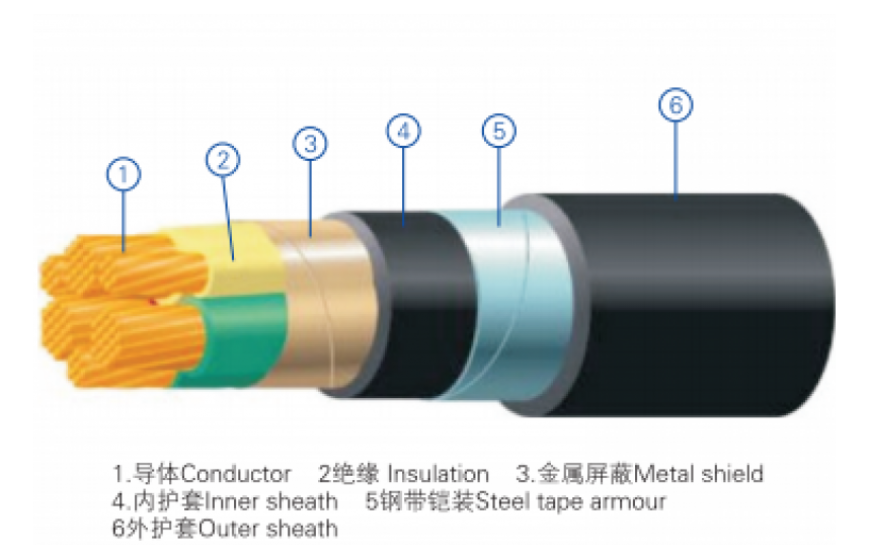
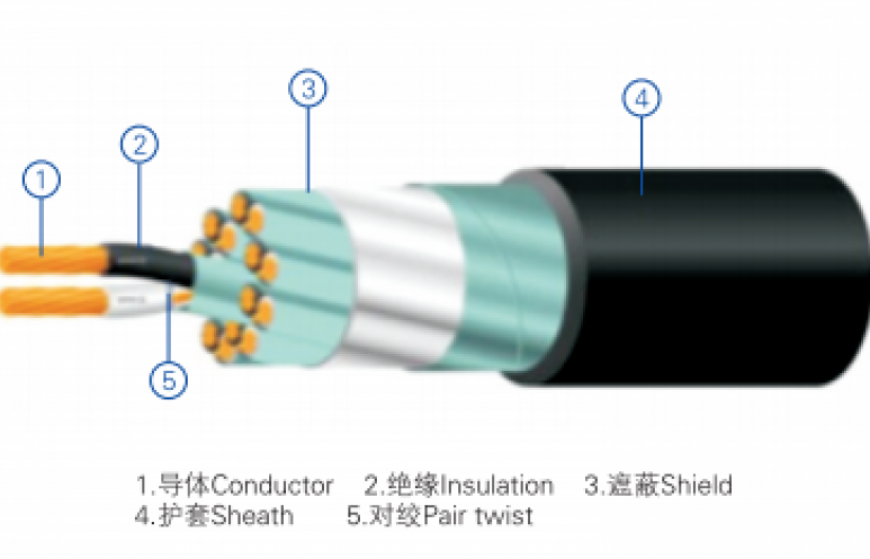
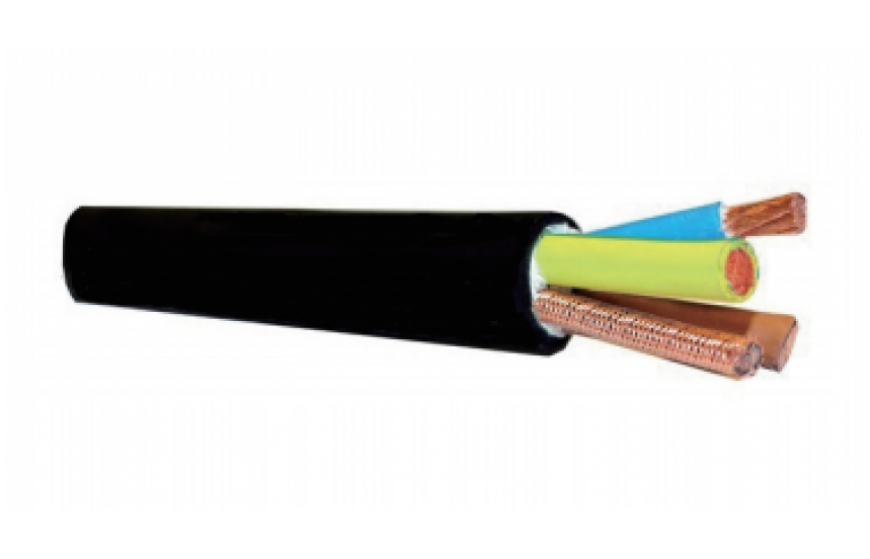
The cable adopts a compact multi-core twisted flexible integrated structure arranged layer by layer from inside to outside. The innermost layer is Class 5/6 finely stranded oxygen-free tinned copper conductor complying with GB/T 3956; fine wire structure delivers outstanding bending fatigue resistance, and tin plating prevents copper oxidation under humid and oily outdoor conditions, lowering temperature rise during long-time high-current charging and avoiding wire breakage after repeated winding and towing. The power cores are extruded with dense TPE elastomer insulation featuring high dielectric strength, high temperature overload resistance and stable performance under AC & DC high voltage. A yellow-green protective earth core and a pair of CAN communication signal cores are embedded to guarantee reliable earthing and stable transmission of charging handshaking, temperature control and fault alarm signals. Elastic flame-retardant filler fills the gaps between cores to keep the cable round, buffer internal stress caused by towing and rolling, and prevent friction damage between cores. For high-power fast charging and high electromagnetic interference environments, a tinned copper wire braided shield with coverage above 80% is optional to block high-frequency electromagnetic noise and avoid charging disconnection and communication failure. The outermost thickened weather-resistant TPE sheath boasts excellent wear resistance, tear resistance, waterproof performance, UV resistance, rain erosion resistance and oil & weak acid-alkali resistance, capable of enduring temporary vehicle tire rolling without cracking or damage.
Core Performance Advantages
Excellent flexibility and fatigue resistance support frequent daily winding, towing and storage; the small minimum bending radius facilitates wiring in narrow garages and portable in-vehicle charging. No conductor breakage or sheath cracking occurs after tens of thousands of reciprocating bends. It operates stably from -40℃ extreme cold to 125℃ high temperature, free from embrittlement in frigid northern winters or softening deformation under summer outdoor exposure and continuous fast charging heat load, with stable structure under cyclic temperature variation. It passes strict mechanical tests including vehicle rolling, extrusion and abrasion resistance, remaining intact after accidental rolling or heavy impact. Resistant to engine oil, lubricant and weak acid-alkali sewage, the sheath will not swell, peel or pulverize after long-term chemical exposure. Constructed with halogen-free low-smoke flame-retardant materials, it restrains flame spread and emits minimal smoke without toxic corrosive hydrogen halide gas during combustion to reduce hazards in fire accidents. The fine-stranded conductor reduces voltage drop loss for stable large-current transmission of high-power DC fast charging. Shielded versions achieve superior EMC performance, avoiding interference to surrounding monitoring and weak-current equipment and resisting external harmonic noise to ensure uninterrupted charging communication. Outstanding ozone and xenon weather aging resistance ensures long service life for year-round outdoor charging stations.
Application Scenarios
It is widely used for all conductive charging scenarios of new energy vehicles: portable in-vehicle AC charging cables for household use and wall-mounted AC charging piles in residential underground garages; high-power DC fast charging cables for urban public charging stations, highway service areas and logistics parks; charging lines for intensive operation of online car-hailing and taxis; all-weather outdoor wiring for open-air parking lots; fast charging systems for new energy commercial vehicles and trucks in ports and industrial parks; charging areas adjacent to inverters and power transformation equipment requiring electromagnetic protection; charging facilities in frigid northern regions and coastal salt-fog humid zones. Liquid-cooled charging cables are applied to ultra-high voltage platform extreme fast charging systems.