English
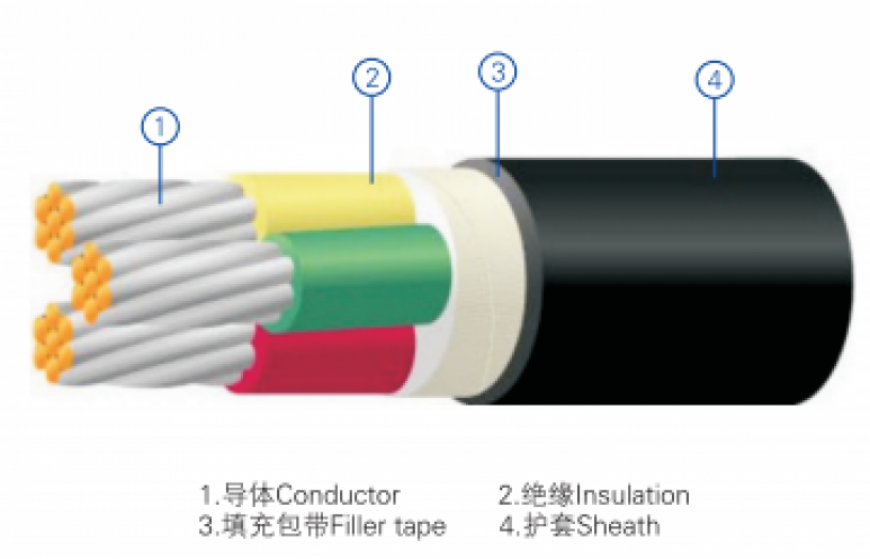
Fluoroplastic insulated cable
Fluoroplastic Insulated Cable (Teflon Cable)
Product Introduction
Fluoroplastic insulated cable, also known as Teflon high-temperature and corrosion-resistant special cable, adopts fluoropolymer materials including PTFE, FEP, PFA and ETFE as insulation and sheath. It is a high-end cable designed for extreme working conditions. The common rated voltages are 450/750V and 0.6/1kV, complying with Chinese standards JB/T 13484, GB/T 5013, CQC1129 and corresponding IEC specifications. Main models cover FF, FF8F, FF9F and FFR shielded control cables. Benefiting from inherent chemical inertness, ultra-wide temperature adaptability, ultra-low dielectric loss and non-toxic flame retardancy, it can cope with severe environments beyond the capacity of silicone rubber cables, such as strong corrosion, ultra-high temperature, intense radiation and high-frequency signal transmission. It is widely applied in power supply and signal control circuits for fine chemical industry, semiconductors, aerospace, metallurgical heat treatment, nuclear power, laboratory precision instruments and new energy high-temperature wiring harnesses.
Internal Structure
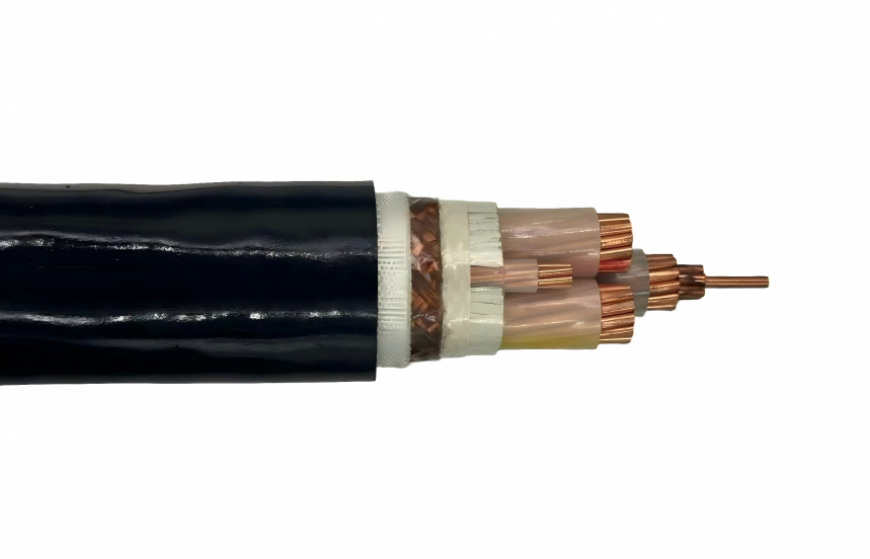
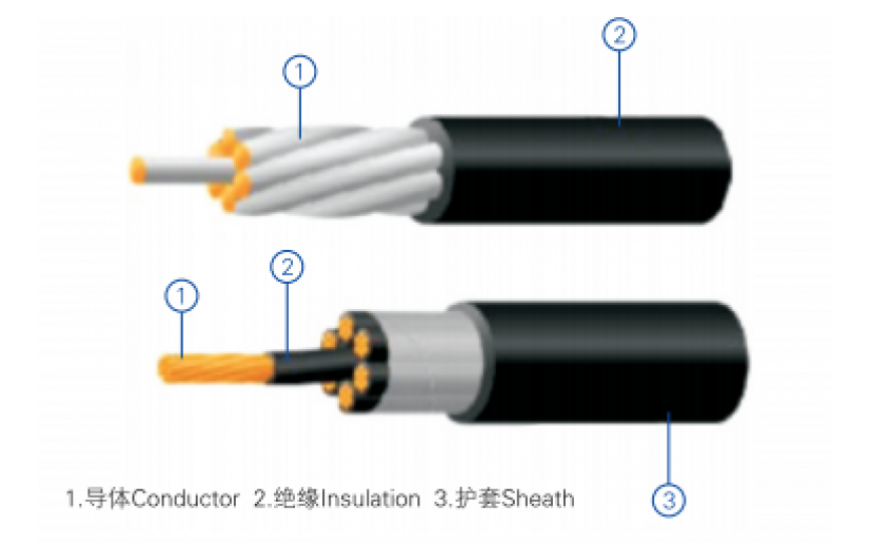
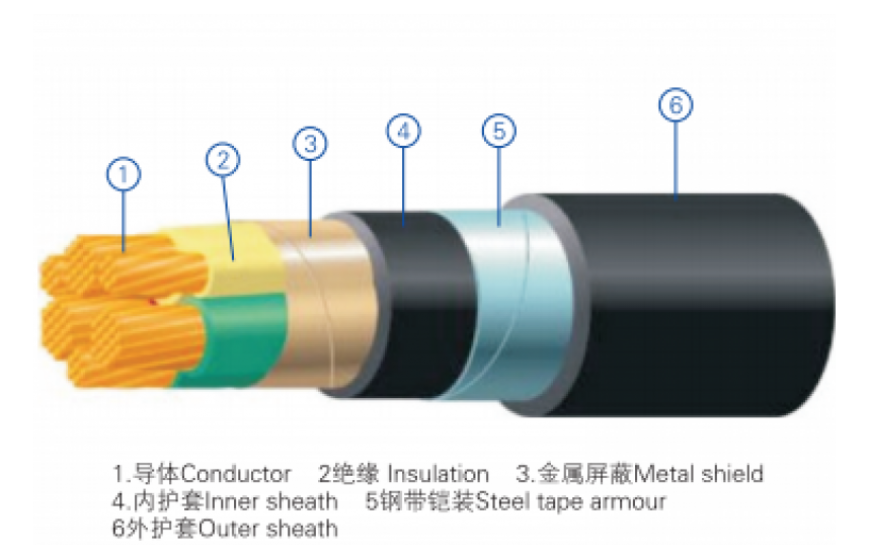
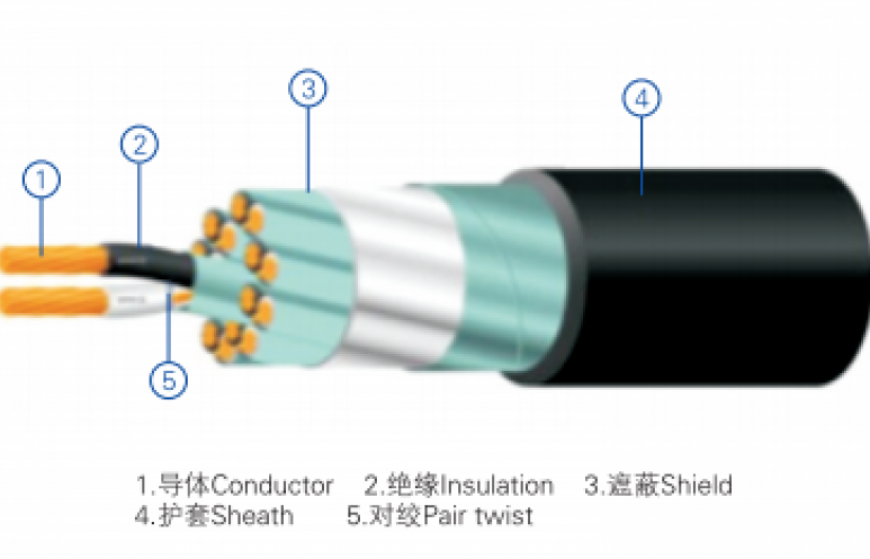
The cable features precise and compact construction, divided into rigid type for fixed installation and flexible type for frequent movement. The innermost conductor is oxygen-free copper; solid single wire or 7-strand copper is adopted for fixed wiring, while finely stranded tinned copper is used for towable occasions. Tin plating prevents copper oxidation under high-temperature corrosive atmosphere and avoids wire breakage after repeated bending, delivering stable conductivity and low temperature rise under heavy current. Fluoroplastic insulation is extruded outside conductors, with PTFE, FEP or PFA selected according to working conditions. The compact insulation boasts outstanding voltage resistance, corona resistance and ultra-low dielectric loss under high frequency. Non-hygroscopic inert filler fills gaps between multi-cores to maintain round shape, buffer vibration stress and prevent friction damage between cores. Cables for weak signals and strong electromagnetic interference environments are equipped with copper wire braided or copper tape lapped shielding to block external noise. Steel wire braided armor is added for direct underground burial and heavy impact occasions to enhance compression and tensile resistance. The outermost fluoroplastic sheath features fine compatibility with insulation, completely blocking penetration of strong acid, alkali, organic solvent, moisture and oil fume, with smooth surface for excellent wear resistance.
Core Performance Advantages
It achieves leading temperature resistance performance. PTFE and PFA operate continuously steadily from -200℃ to 260℃, with transient peak temperature up to 300℃; FEP allows long-term service below 200℃. No embrittlement occurs at ultra-low temperature, no softening or shrinkage under sustained high heat, and performance remains stable under cyclic temperature fluctuation. With superior chemical inertness, it resists almost all strong acids, alkalis, salt solutions, aromatic hydrocarbons, ketones, grease and other corrosive media. No swelling, cracking or pulverization happens after long-term immersion in corrosive liquids, making it the optimal choice for chemical plants. It delivers stable electrical performance with ultra-high insulation resistivity, excellent high voltage and steam resistance, as well as extremely low dielectric loss for distortion-free high-frequency signal transmission. Outstanding resistance against aging, UV and radiation ensures long service life under outdoor exposure and radioactive environments, far exceeding silicone rubber and ordinary plastic cables. It is inherently flame-retardant and self-extinguishing, releasing no toxic corrosive smoke during combustion with zero harmful precipitation, suitable for clean rooms, medical and food industries. The smooth surface brings low friction coefficient for easy towing and abrasion resistance; flexible variants maintain intact performance after tens of thousands of bending cycles.
Application Scenarios
Power and control wiring for petrochemical plants, acid-base tank areas and pharmaceutical workshops with heavy corrosion; internal wiring for semiconductor clean rooms, photovoltaic high-temperature processes and lithium battery production workshops; cable layout around metallurgical furnaces, sintering kilns and drying ovens; high-temperature corrosion-resistant wiring harnesses for aerospace and ships; radiation-proof cables for nuclear power equipment and irradiation laboratories; precision signal transmission lines for physical and chemical laboratories and analytical instruments; internal wiring for food sterilization equipment and medical disinfection devices; ultra-low temperature cables for frigid outdoor facilities and liquid nitrogen supporting systems; connecting wires for high-frequency testing and radio frequency instruments.