English
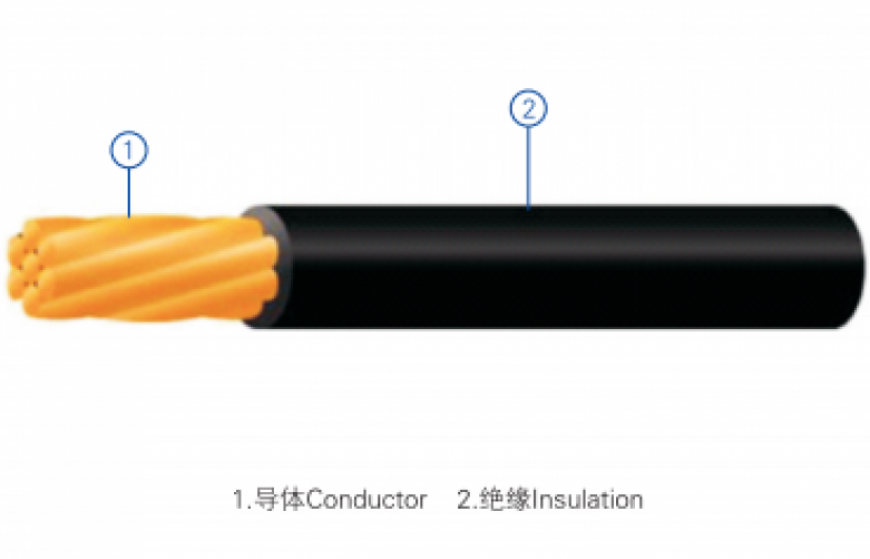
PVC Insulated Electric Wire
PVC Insulated Electric Wire
Product Introduction
PVC insulated wire is the most widely used general wiring cable for residential and construction projects, commonly known as plastic-coated copper wire. Its standard rated voltages are 300/500V and 450/750V, manufactured in accordance with GB/T 5023. Main types include solid single-core BV, flexible stranded BVR, flat sheathed BVVB and round flexible sheathed RV. With polyvinyl chloride (PVC) as insulation and sheath material, it features mature manufacturing technology, high cost performance and convenient laying. It is mainly applied to indoor lighting, socket circuits and power distribution for small equipment, serving as the basic wiring option for residential decoration and civil construction projects.
Internal Structure
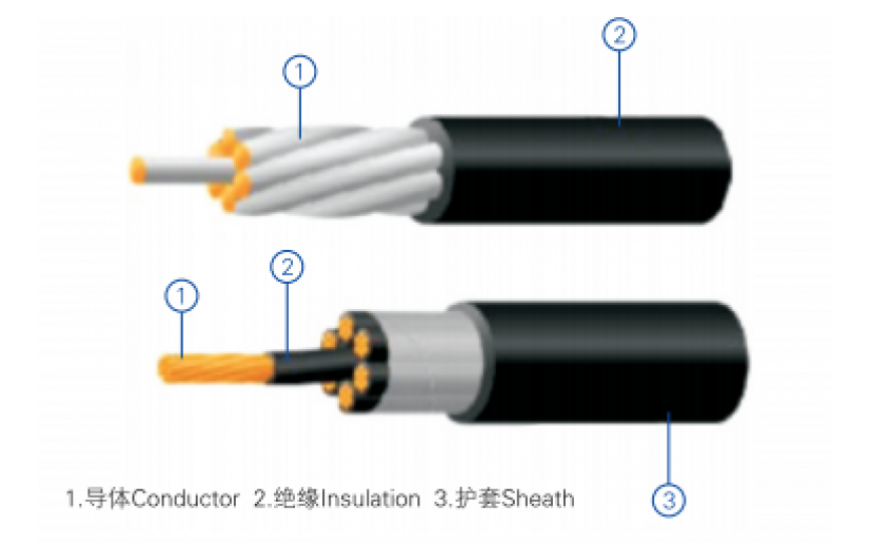
It adopts simple and neat structure, divided into solid type and flexible type. BV solid wire uses a single solid oxygen-free copper conductor, which maintains shape steadily during conduit installation. BVR flexible wire is composed of multiple fine copper strands for superior bending performance. A compact extruded PVC layer covers the conductor to provide reliable insulation and prevent electric leakage; two-color insulated wire is specially designed for protective earthing. Sheathed cables are wrapped with an outer PVC jacket to enclose inner cores integrally, blocking moisture and dust and avoiding core abrasion, suitable for surface wiring and wall concealed laying. Without complicated filling or shielding layers, the cable is lightweight and easy to cut, terminate and pull through conduits.
Core Performance Advantages
It delivers prominent economic benefits with low overall procurement and construction cost, ideal for large-scale civil engineering wiring. Easy cutting, stripping and terminal crimping greatly improve electricians’ working efficiency. Under normal indoor conditions, it offers stable dielectric strength to meet daily power demand of lighting and wall sockets. It features basic moisture-proof, dust-proof and wear-resistant properties for long-term service in dry indoor environments. Flame-retardant PVC options slow down flame spread to satisfy basic building fire regulations. Complete specifications covering various cross-sections, rigid/flexible styles and sheath forms adapt to concealed conduit laying, surface trunking and ceiling wiring. Limitations: poor high-temperature resistance leads to softening and aging under prolonged heat; it turns stiff and brittle in extremely cold weather; toxic halogen-containing smoke will be released during combustion, so it is not recommended for high-temperature workshops, damp underground tunnels, fire circuits of high-rise buildings and chemical corrosive areas.
Application Scenarios
Concealed wiring for indoor lighting, wall sockets and ordinary air-conditioner circuits in residential houses; general lighting and power distribution for offices, shops and factories; simple internal wiring for household appliances and office equipment; surface wiring via trunking and dry ceiling laying; temporary power lines on construction sites. It is not applicable to high-temperature workshops, humid underground utility tunnels, fire emergency circuits and chemically corrosive environments.