English
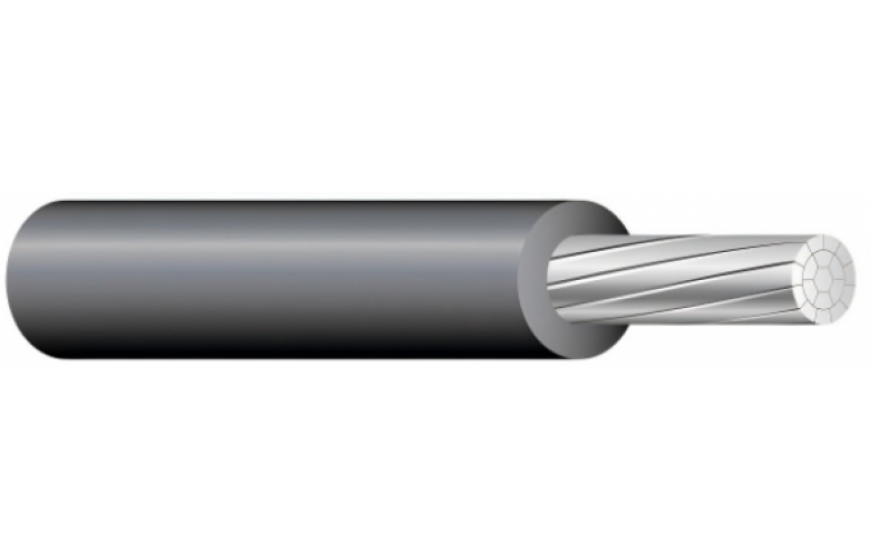
RHW-2 (UL 44)
RHW-2 (UL 44) Thermoset Power Cable
1. Model Definition & Standards
Letter Breakdown
R stands for thermoset insulation (EPR/XLPE), which will not melt and flow under high temperature; H indicates high heat resistance; W qualifies the cable for wet locations; -2 is the key mark: continuous operating temperature fixed at 90°C for both dry and wet conditions. Conventional RHW only allows 90°C in dry areas and 75°C in wet areas, while RHW-2 features upgraded overall thermal performance.
Compliance Standards
Primary standard: UL 44 for thermoset insulated wires and cables. It also complies with NEC (NFPA70), Canadian CSA equivalent specifications. Flame performance meets UL1581 VW-1 vertical flame test, with RoHS and REACH environmental certification.
2. Internal Structure (From Inner to Outer)
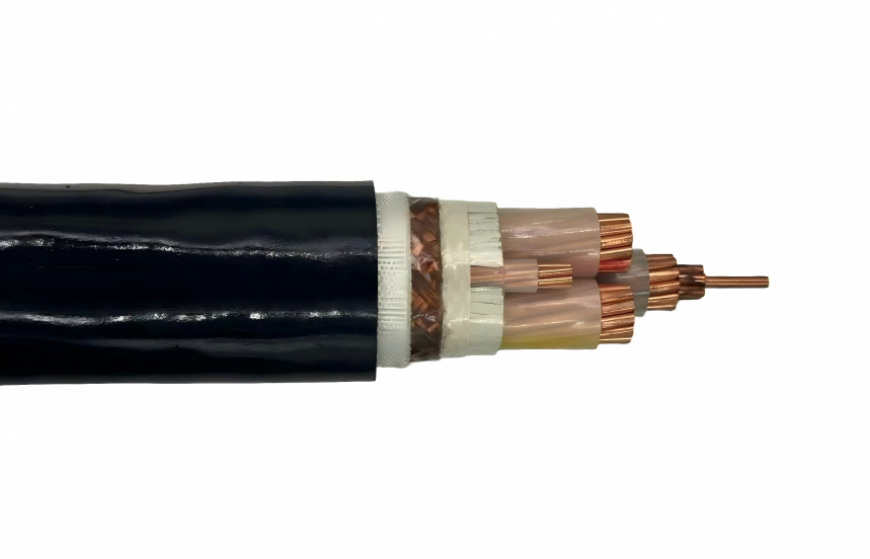
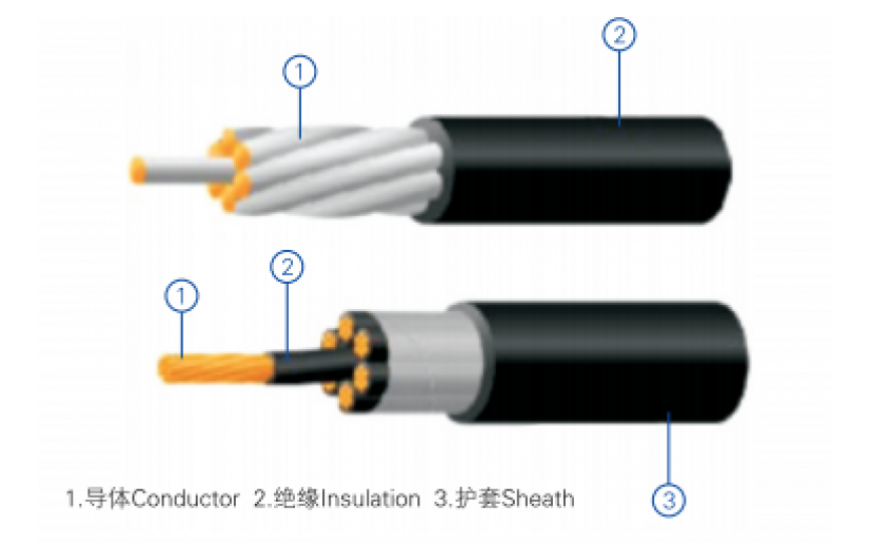
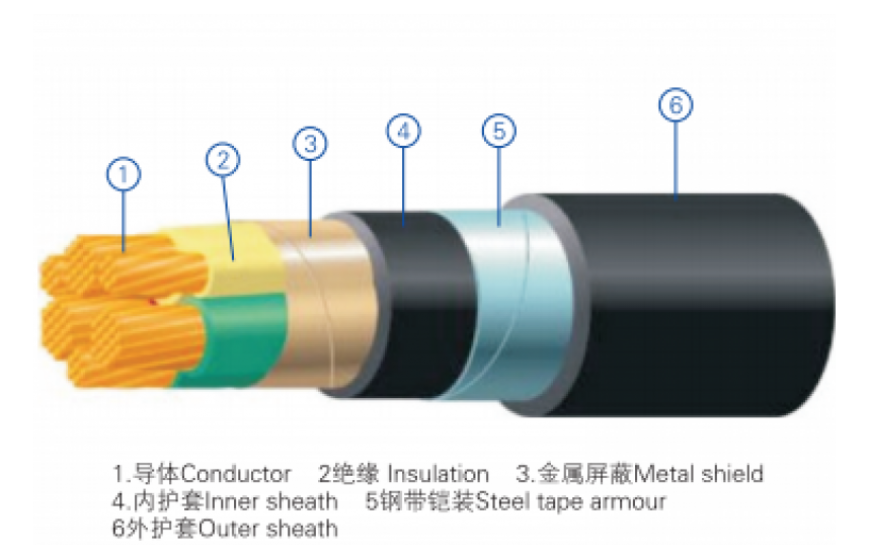
Conductor Available in bare annealed copper, tinned copper and AA8000 aluminum alloy. Class B compact stranded construction for fixed installation; Class 5 flexible stranding for frequent bending applications. AWG sizes range from 14AWG to 1000kcmil, conductor resistance conforms to UL1581 and ASTM criteria.
Insulation Layer Made of EPR or XLPE thermoset material with ample thickness, featuring excellent corona resistance, waterproof property and stable thermal performance, serving as the core layer for voltage and heat endurance.
Outer Sheath Standard black flame-retardant CPE jacket forms a dual-layer system together with inner insulation. It resists UV radiation, mineral oil, acid and alkali, abrasion and compression, suitable for open-air installation and direct burial underground.
3. Key Technical Specifications
Rated voltage: standard 600V, optional 1000V / 2000V for heavy-duty service; Continuous operating temperature: 90°C for all dry and wet locations; Cold resistance: no cracking under cold bend and cold impact test at -40°C; Flame grade: UL VW-1 vertical flame retardant, large gauge versions meet FT4 requirement; Minimum bending radius: 7.5 times cable outer diameter for fixed routing, 15 times OD for flexible moving installation; Resistance to gasoline, lubricants, salt spray and long-term outdoor UV aging; Installation methods are fully flexible: conduit, cable tray, overhead outdoor routing and direct underground burial are all permitted.
4. Core Advantages
Consistent high temperature rating brings higher ampacity Compared with THHN / THWN under UL83 which limits temperature to 75°C in wet areas, RHW-2 provides larger heat dissipation margin in damp trenches, basements and outdoor environments with superior current carrying capacity.
Dual-layer structure delivers robust mechanical protection The combined insulation and separate outer jacket structure features great compression resistance, abrasion resistance and rodent protection. It can be buried directly without conduits, making it the mainstream choice for solar energy storage and residential underground service entrance cables in North America.
Outstanding weather and chemical resistance Thermoset material avoids softening and creep under high temperature; CPE jacket effectively withstands oil, industrial chemicals, coastal salt spray and long-term outdoor UV exposure, with a much longer service life than ordinary PVC thermoplastic wires.
Excellent low-temperature adaptability No brittle cracking during installation at -40°C, ideal for cold northern North America and high-altitude regions.
Code interchangeability RHW-2 can be substituted with USE-2 per North American electrical codes, both approved for underground building service entrance wiring.
5. Difference Between RHW-2 & XHHW-2
RHW-2 adopts dual-layer construction with independent outer sheath and thicker insulation. It boasts stronger waterproofing, compression resistance, oil resistance and outdoor weatherability, eligible for permanent open-air exposure and direct burial. It is widely used in solar & storage circuits, outdoor main feeders, underground service lines and damp industrial plants. XHHW-2 is single solid XLPE construction without extra jacket, lighter and more cost-effective. It is only designed for indoor conduits and cable trays, not suitable for long-term outdoor exposure or underground burial, mainly applied to indoor branch wiring and control cabinet internal wiring in buildings.
6. Application Scope
Solar & energy storage systems: DC feeders for PV arrays, connection cables for energy storage cabinets, underground wiring for outdoor power stations;
Municipal & residential power distribution: underground service entrance cables for residential communities, conversion lines from overhead to underground suburban distribution networks;
Industrial plants: wiring for damp workshops, power cables for water pumps and fans, heavy-load tray feeders and motor lead wires;
Severe outdoor conditions: rooftop exposed wiring, coastal salt spray zones, power grid renovation in frigid regions;
Commercial buildings: outdoor power distribution for shopping malls and complexes, power wiring for damp underground mechanical rooms.