English
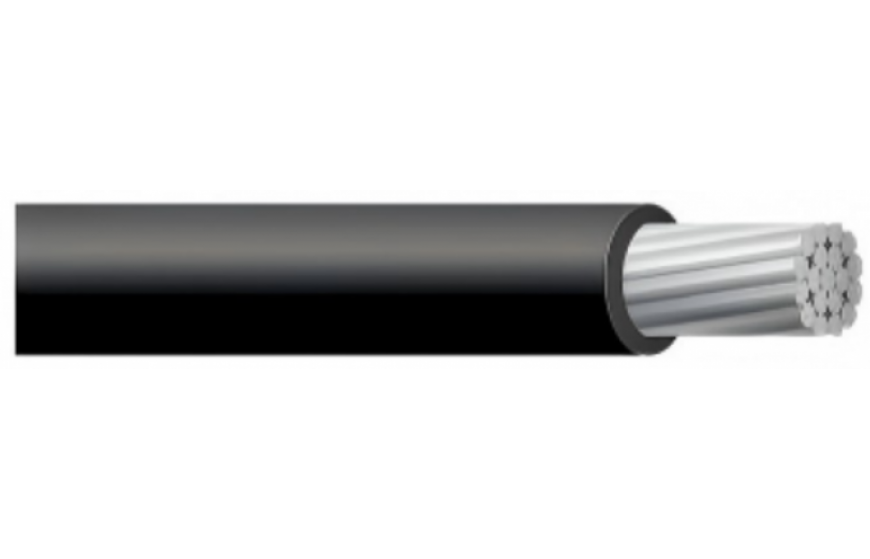
URD (UL 854)
URD Cable (UL 854) Underground Residential Distribution Cable
1. Definition & Compliance Standards
URD stands for Underground Residential Distribution cable, bundled multi-conductor underground feeder exclusively for suburban North American secondary power grids. Its internal insulated conductors are listed as USE-2 under UL 854, also compliant with ICEA, ASTM and RUS rural utility standards. Application positioning difference:
USE-2: Single-conductor service wire (utility transformer to household meter box)
URD: Bundled multi-conductor trunk cable for bulk residential district underground power delivery
Electrical rating: 600V rated voltage; continuous operating temperature fixed at 90°C for both dry and wet underground locations; governed by NEC Article 338; sunlight-resistant XLPE insulation; no mandatory VW-1 flame test rating, designed solely for direct burial service.
2. Standard Configurations
Duplex URD: 2 phase conductors + concentric bare neutral, for low-density single-phase rural residential areas
Triplex URD (Most widely used): 2 phases + 1 insulated neutral, mainstream single-phase residential distribution in North America
Quadruplex URD: 3 phases + 1 neutral, 3-phase service for suburban commercial zones and large communities
Flat URD: customized for narrow underground trenches
3. Internal Construction (Inner to Outer)
Conductor Predominantly AA8000 series compact stranded aluminum alloy (copper version rare). Lightweight, resistant to galvanic corrosion in damp soil and cost-efficient for long-distance bulk underground routing. Common AWG sizes: 6AWG ~ 4/0AWG; neutral conductor marked with yellow stripes for easy identification on site.
Insulation Layer Black sunlight-resistant XLPE cross-linked polyethylene insulation with increased thickness. It integrates electrical insulation, waterproofing, compression resistance and UV shielding; each single core meets full USE-2 specifications with consistent 90°C thermal rating in dry & wet environments.
Cabling Assembly Insulated cores stranded compactly; yellow marking stripes on neutral conductors distinguish neutral from phase wires.
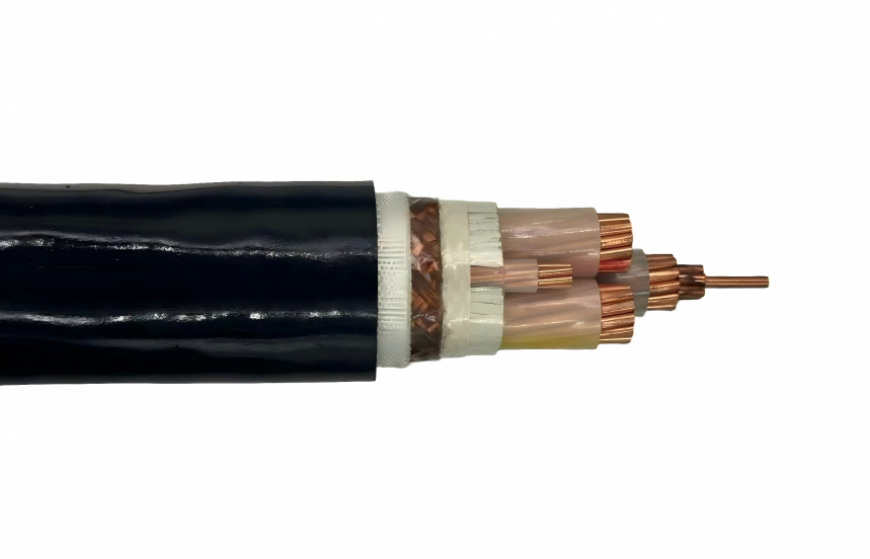
Overall HDPE Outer Jacket Black high-density polyethylene overall sheath wraps the entire cable bundle, protecting against soil compression, groundwater immersion, abrasion and rodent damage, extending underground service lifespan drastically.
4. Key Technical Specifications
Rated voltage: 600V AC Continuous operating temperature: 90°C universally for dry & wet underground conditions Short-circuit withstand temperature: Max 250°C Cold resistance: No cracking under -40°C cold bend & impact test, suitable for frigid northern North America permafrost regions Installation limitation: Only permitted for direct underground burial or underground conduit; permanent overhead outdoor exposure is prohibited Minimum bending radius: 7.5 times overall cable outer diameter Environmental resistance: Acid/alkali soil, salt spray, groundwater immersion, crushing abrasion and ozone aging
5. Core Advantages
Integrated bundled design drastically speeds up construction One single cable delivers multi-circuit power for whole residential blocks; only one trench excavation required instead of laying multiple separate single conductors, cutting labor and civil engineering costs greatly.
Aluminum alloy optimized for underground soil conditions Nearly 40% lighter than copper, free from galvanic corrosion in moist underground soil, offering outstanding economic benefits for large-scale suburban power networks.
Dual-layer structure delivers long service life Inner XLPE insulation + outer HDPE jacket provide dual waterproof & compression protection, with a design lifespan of 40~50 years for underground burial and minimal routine maintenance.
Fully interchangeable with USE-2 electrically Each inner conductor holds UL 854 USE-2 certification, identical ampacity and thermal performance for seamless splicing and grid capacity expansion.
Compact footprint improves trench utilization Neat bundled structure occupies less space inside narrow underground ducts, ideal for land-constrained suburban outskirts.
6. Application Scenarios
Bulk underground power distribution for suburban residential communities & rural utility trunk feeders across North America
Underground trunk lines from distribution pedestals to service lots in new housing estates & villa districts
3-phase underground power supply for small commercial clusters and convenience store groups
Rural grid renovation in coastal salt-fog and high-humidity regions
Underground power wiring for agricultural irrigation district clusters